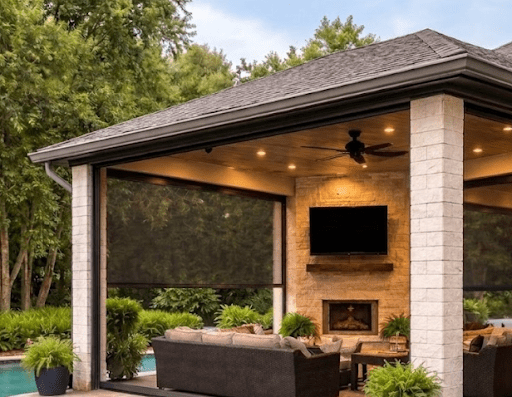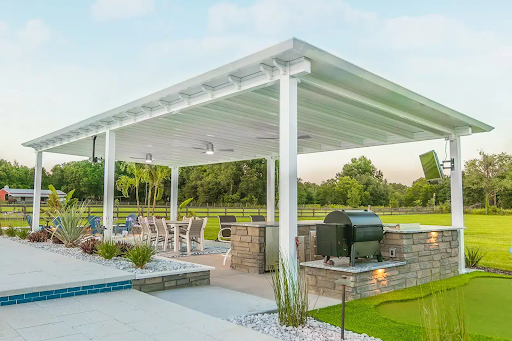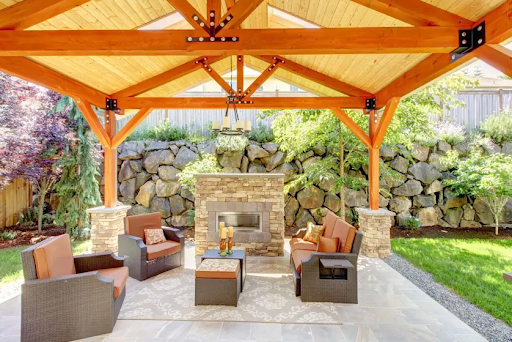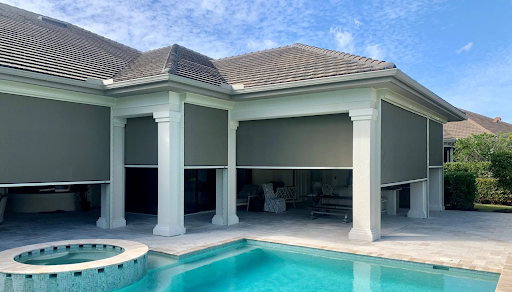
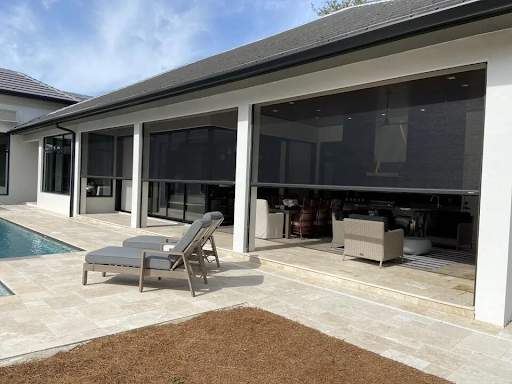
Retractable and fixed screens represent two distinct screening systems, each built around different structural designs, operating mechanisms, and integration methods for residential openings. Both deal with ventilation and keeping bugs out, but they are built, installed, and used in very different ways, from standard windows to larger openings that are often used for patio screens. These differences affect things like how well they can adapt to different spaces, how much stress they can handle from the environment, and how well they work over time. This blog explains the technical considerations behind each system to help homeowners determine which screening solution aligns best with their architectural layout, usage patterns, and maintenance expectations.
| Retractable vs Fixed Screens Insights Choosing between retractable and fixed patio screens involves balancing functionality, aesthetics, and lifestyle needs. Retractable screens offer flexibility, clear views, and weather protection, while fixed screens provide constant coverage, durability, and low maintenance. Understanding their differences, benefits, and ideal use cases helps homeowners select the right solution to enhance comfort, airflow, and outdoor living experiences. |
Key Differences Between Retractable and Fixed Screens
| Decision Factor | Retractable Screens | Fixed Screens |
| How they work | These screens roll or slide into a discreet housing when not needed and extend only when you want protection. | These screens stay in place all the time, offering constant coverage without any moving mechanism. |
| Visual impact | When retracted, they’re nearly invisible, which helps preserve clean sightlines and architectural details. | Always visible, which can slightly interrupt views but offers a uniform, consistent appearance. |
| Ease of use | Retractable screens are designed for on-demand use; they can be opened or closed manually or via motorized systems. | Once installed, there’s nothing to operate; protection is always in place. |
| Installation complexity | Installation requires precise measurements and alignment to ensure smooth operation and durability. | Installation is simpler, involving fewer components and less technical adjustment. |
| Durability factors | Mechanical parts and tracks need proper care, especially in high-traffic or windy areas. | With no moving parts, wear and tear are minimal and mostly limited to the mesh itself. |
| Maintenance needs | Requires occasional cleaning of tracks and inspection of tension systems to prevent sticking or misalignment. | Very low maintenance, usually just routine cleaning and occasional mesh replacement if damaged. |
| Best use cases | Ideal for large openings, patios, and spaces where flexibility and unobstructed views matter. | Best suited for windows or areas that need constant insect protection without adjustment. |
| Weather exposure | It can be retracted during harsh weather, which helps protect the screen material. | Remains exposed year-round, making material quality important for longevity. |
| Cost considerations | Typically, more expensive due to custom sizing, hardware, and installation requirements. | More budget-friendly with predictable costs and straightforward installation. |
| Lifestyle fit | Works well for homeowners who like adaptable spaces and occasional open-air living. | A good choice for those who prefer a set-it-and-forget-it solution. |
| Airflow Adjustability | Allows users to fine-tune airflow by partially extending the screen, useful in changing weather or time-of-day conditions. | Airflow remains constant and cannot be adjusted once the screen is installed. |
| Smart-Home Compatibility | Can integrate with motorized controls, timers, and home automation systems. | No compatibility with automation due to passive design. |
Component-Level Servicing | Certain internal elements can be serviced or replaced without removing the entire system. | Servicing usually requires the removal and replacement of the complete unit. |
| Opening Size Flexibility | Performs well across large spans such as wide patios or multi-panel doors. | Structural rigidity limits suitability for very wide openings. |
| Operational Sound Profile | May generate soft sound during extension or retraction. | Operates silently, as there is no movement. |
| Exposure-Based Wear | Reduced wear when not in use due to retraction capability. | Continuous exposure can accelerate material fatigue in extreme climates. |
When To Choose Fixed Screens?
Fixed screens are a suitable option if your needs include the following:
- You want continuous protection for windows or openings that remain in use daily
- The space has a single, defined purpose, such as bedrooms, kitchens, or utility areas
- Durability and stability are more important than flexibility or concealment
- You prefer a set-and-forget option with minimal ongoing maintenance
- The openings are standard-sized, making permanent installation practical
- You value consistent airflow and screening performance year-round
- Budget predictability and straightforward installation are key considerations
When To Choose Retractable Screens?
Retractable screens are ideal in situations where the following conditions apply:
- The area serves multiple purposes, such as patios, living spaces, or large openings used for entertaining
- You want the option to open or enclose a space as needed
- Preserving clear views and natural light when the screen isn’t required matters
- Flexibility and space efficiency are more important than permanent coverage
- The opening is wide, custom-sized, or non-standard
- You prefer a solution that can be retracted during harsh weather
- A clean, modern appearance with minimal visual obstruction is a priority
With a clear understanding of how screen design, installation requirements, and long-term performance differ between retractable and fixed systems, you can now make an informed decision about which option best supports your space and daily use. If you are ready to upgrade your outdoor comfort, explore custom patio screens from Bluebonnet Patio Covers, designed to match your space, usage needs, and home style, with guidance from experienced professionals.
FAQs:
How Do Patio Screens Affect Energy Efficiency in My Home?
Patio screens can help reduce heat gain during hot months by blocking some of the sun’s rays, while still allowing airflow. This can lower cooling costs and improve indoor comfort without sacrificing outdoor views.
Can Patio Screens Increase the Lifespan of Outdoor Furniture?
By reducing direct sunlight, wind, and debris exposure, patio screens help protect furniture from fading, wear, and weather damage, ultimately extending the life of your outdoor investments.
Are Retractable Patio Screens Suitable for Extreme Weather Conditions?
High-quality retractable screens are designed to withstand moderate wind and rain, but in regions with severe storms or heavy snow, it’s recommended to retract the screens or use protective covers to avoid damage.
What Materials Are Most Commonly Used for Patio Screens?
Patio screens are typically made from fiberglass, polyester, or aluminum mesh. Each material has unique benefits such as durability, UV resistance, and insect protection, allowing homeowners to choose based on climate and usage needs.
Can Patio Screens Improve Privacy Without Blocking Views?
Yes. Certain mesh types and screen designs allow for privacy by limiting visibility from the outside while maintaining clear views and airflow from the inside.
How Easy Is It to Replace a Damaged Screen?
Both fixed and retractable screens are designed for straightforward maintenance. Fixed screens may require mesh replacement within the frame, while retractable screens often allow for partial component replacement without removing the entire unit.
Do Patio Screens Require Professional Installation?
While some homeowners may install fixed screens themselves, professional installation ensures precise fitting, smooth operation, and long-term durability, especially for custom-sized or retractable screens.
Are Patio Screens Pet-Friendly?
Some patio screens are reinforced to resist damage from pets, preventing tearing while still offering airflow and visibility. Pet-friendly screens are ideal for homes with cats, dogs, or small animals.
How Do Patio Screens Affect Indoor Airflow?
Patio screens allow fresh air to circulate while keeping insects and debris out. Certain retractable screens even allow for partial opening, giving homeowners control over airflow based on weather or preference.
Can I Integrate Patio Screens With Smart Home Systems?
Many modern retractable screens can be motorized and integrated with home automation systems, allowing users to operate them via remote control, timers, or smart devices for added convenience.