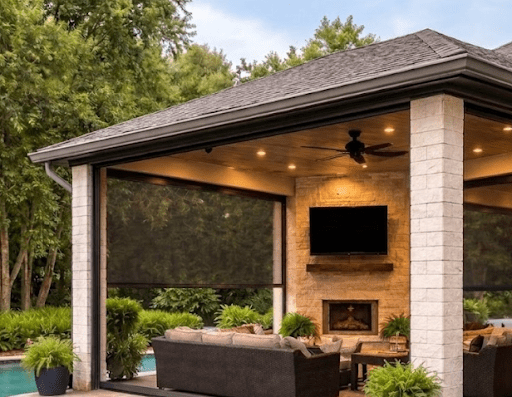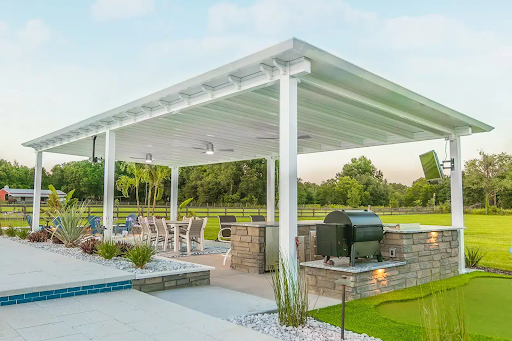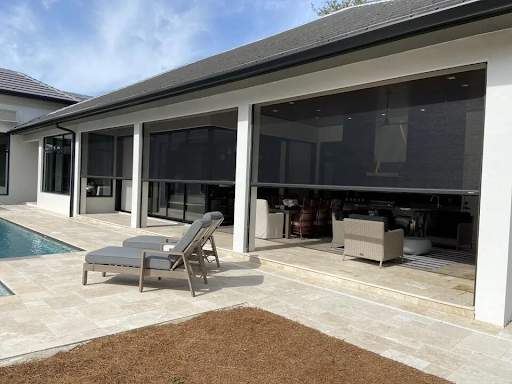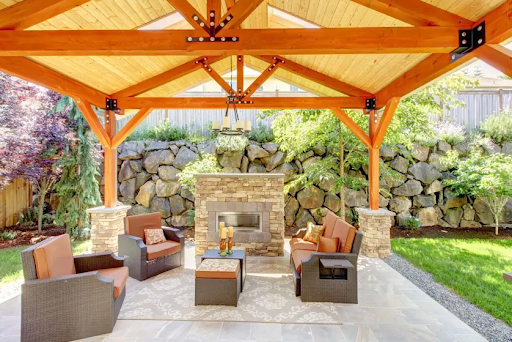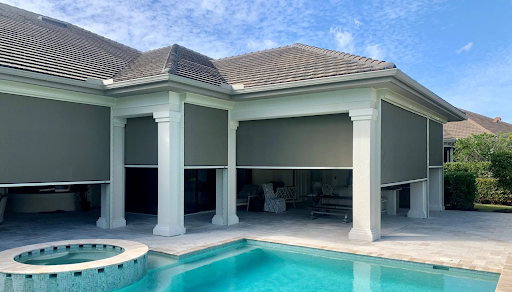

The weather in Texas is super unpredictable. On days you experience scorching summers that often push past 100°F, on the other there will be sudden storms and high UV levels. This makes enjoying the outdoor spaces of your home or commercial properties a challenge. Well, these issues can always be countered with the installation of patio covers, screens, and smart outdoor living upgrades. These arrangements reduce heat exposure by up to 30%, while screened enclosures help block pests like mosquitoes, along with debris and strong winds.
Moreover, these installations can expand your usable living space and boost your home’s value. To help you get the right setup for your property, here is a full guide that breaks down everything you need to know about patio covers, screens, and enclosures.
| Key Takeaways Why Patio Covers Are a Must-Have for Texas Living How Motorized Louvered Roofs Give You Total Climate Control Choosing Between Retractable Screens and Full Enclosures Pergolas vs Covered Structures: Style Meets Function Turning Your Backyard Into a Complete Outdoor Living Space How Commercial Patio Covers Boost Business Performance Understanding Permits, Codes, and HOA Requirements in Texas Choosing the Right Materials for Long-Term Durability Designing a Custom Outdoor Space That Fits Your Lifestyle What to Expect From Installation to Warranty Coverage |
What Is a Patio Cover and Why Do Texas Homes Need One?
Let’s begin by understanding what a patio cover is. Well, it is a permanent or semi-permanent structure that provides shade and protection over outdoor spaces from sun, rain, and debris.
How Texas Weather Makes Patio Covers a Year-Round Necessity
Texas experiences intense sun, high UV radiation, sudden thunderstorms, and seasonal temperature swings. These conditions make uncovered outdoor areas uncomfortable, unsafe, and often unusable for large parts of the year. Patio covers help create a controlled, shaded environment that protects both people and outdoor furniture from weather-related damage. Texas homeowners trust Bluebonnet Patio Covers to transform their outdoor spaces with these solutions.
How a Patio Cover Makes Outdoor Living Usable in All Four Texas Seasons
Wondering how you can enhance outdoor living with patio covers? Well, here’s how:
- Summer: Blocks direct sunlight, reducing heat and creating cooler shaded areas
- Fall: Shields against falling debris and unpredictable winds
- Winter: Provides protection from rain and mild cold, allowing continued use
- Spring: Reduces pollen exposure and protects from sudden rain showers
How to Choose the Right Type of Patio Cover for Your Home?
What the Main Types of Patio Covers Are and How They Differ
| Type of Patio Cover | Key Features | Best For |
| Aluminum Covers | Lightweight, rust-resistant, low maintenance | Hot, humid climates like Texas |
| Wood Covers (Pergolas/Gazebos) | Natural look, customizable design | Traditional or rustic homes |
| Vinyl Covers | Durable, weather-resistant, low upkeep | Homeowners wanting minimal maintenance |
| Insulated Covers | Built-in thermal insulation reduces heat transfer | Extreme heat areas |
| Louvered Roof Systems | Adjustable slats for sun and airflow control | Flexible, all-season use |

How to Match a Patio Cover Style to Your Home’s Architecture
- Modern homes: Go for clean-lined aluminum or louvered covers with neutral tones
- Traditional homes: Wood pergolas or painted covers blend well with classic designs
- Mediterranean/Spanish styles: Choose warm-toned wood or textured finishes
- Ranch-style homes: Simple, wide-span covers that match rooflines work best
- Contemporary builds: Minimalist, flat-roof or motorized louvered systems enhance the look
What Questions to Ask Before Deciding on a Patio Cover Type
- How much sun and heat does my patio receive daily?
- What level of maintenance am I comfortable with?
- Do I want adjustable sunlight or full shade?
- What is my budget range (installation + long-term costs)?
- Will this match my home’s existing design and structure?
Why Custom-Built Covers Outperform Off-the-Shelf Kits for Texas Homes
Custom-built patio covers are designed to handle Texas-specific conditions like extreme heat, high winds, and sudden storms. They offer better material quality, precise fit, and stronger structural integrity. Unlike generic kits, they integrate seamlessly with your home’s design, last longer, and provide superior comfort, durability, and long-term value. To ensure the best fittings and use of high quality products, you need to choose a trustworthy company for patio enclosures.
How Motorized Louvered Roofs Work and What They Offer
What a Louvered Roof Is and How Adjustable Louvers Work
A louvered roof is a patio cover system made of horizontal slats (louvers) that can rotate to control light, airflow, and moisture. These louvers are typically constructed from durable aluminum and connected to a motorized mechanism. With the push of a button, they tilt open to let in sunlight and ventilation or close tightly to form a watertight seal, protecting the space below from rain and harsh weather conditions.

How Motorized Louvers Let You Control Sun, Shade, and Rain Protection
Wondering how a motorized louvered roof works and why homeowners love them? Well, motorized louvers allow precise control over your outdoor environment. You can adjust the angle to block direct sunlight, create partial shade, or fully open for airflow. When it rains, the system closes automatically or manually to form a sealed surface, channeling water away and keeping your patio dry and comfortable.
What Smart Home Integration and Remote Control Options Are Available
Modern louvered roof systems come with smart, user-friendly controls that make outdoor comfort effortless:
- Handheld remotes for quick, on-the-spot adjustments
- Mobile app control so you can manage louvers from anywhere
- Voice assistant integration for hands-free operation
- Built-in weather sensors that automatically respond to rain or strong winds
- Programmable timers to schedule opening and closing based on your routine
How Solar-Powered Louvered Roofs Work and Why They Suit Texas
Solar-powered louvered roofs use integrated solar panels to power the motorized system, reducing reliance on grid electricity. This makes them energy-efficient and ideal for sunny Texas climates. They continue operating during power outages and lower energy costs while maximizing the region’s abundant sunlight for sustainable outdoor living solutions. For more information, check out our blog:Solar-Powered Louvred Roofs: energy efficiency meets outdoor comfort.
Solid and Insulated Patio Cover Roofs
What an Insulated Patio Cover Is and Why It Looks Like Wood Without the Maintenance
An insulated patio cover uses high-density foam-core panels sandwiched between aluminum layers, engineered for durability and thermal resistance. These panels are often embossed with woodgrain textures, delivering the classic look of wood while eliminating issues like rot, warping, insect damage, and frequent repainting.
How Solid Insulated Patio Roofs Differ From Lattice and Pergola Styles
Solid insulated patio roofs provide full coverage, blocking sunlight and rain completely, unlike lattice or pergola designs that allow partial light through. While pergolas focus on aesthetics and airflow, insulated roofs prioritize temperature control, weather protection, and usability, making them better suited for extreme climates like Texas.
What Color and Finish Options Are Best for Insulated Patio Covers
Popular options include neutral tones like white, beige, and gray, which reflect heat and complement most home exteriors. Woodgrain finishes are also widely used for a natural look. UV-resistant coatings help prevent fading, ensuring long-lasting color even under intense Texas sun exposure.
How the Gutter Guard System Channels Texas Rain
Integrated gutter systems work by directing rainwater from the slightly sloped patio roof into built-in channels along the edges. These channels funnel water into downspouts, moving it safely away from the structure. Gutter guards block leaves and debris, ensuring uninterrupted flow during heavy Texas downpours.
How Insulated Panels Reduce Heat and Noise
Insulated panels reduce heat and noise by combining aluminum layers with a dense foam core that limits thermal transfer and absorbs sound vibrations. This design keeps outdoor spaces cooler during extreme heat and significantly dampens noise from rain, wind, and surrounding environments.
What Makes Insulated Panels Better Than Standard Patio Covers
Insulated panels outperform standard single-layer covers by offering superior thermal resistance and structural strength. Unlike basic aluminum or wood covers, they reduce heat transfer, minimize noise from rain, and maintain a more stable temperature underneath, making outdoor spaces significantly more comfortable and functional year-round.
How Foam-Core Insulation Keeps Your Patio Cooler in Texas Summers
Foam-core insulation acts as a thermal barrier, slowing heat transfer from the sun to the space below. This reduces surface temperatures and helps maintain a cooler environment, making patios usable even during peak Texas summer heat.
How Insulated Panels Support Fans, Lights, and Screened Enclosures
Insulated panels are engineered with sufficient load-bearing capacity to support ceiling fans, lighting fixtures, and mounted accessories. Their solid core allows secure attachment points, while integrated framing systems make it easier to add screened enclosures or electrical components without compromising structural integrity.
Patio Screens — Retractable and Screened Enclosures
How Retractable Screens Protect Your Patio Without Blocking the View
What Retractable Patio Screens Are and How They Work on Demand
Any outdoor space can be transformed with retractable screens. They are motorized or manual mesh systems housed in a protective cassette, deploying vertically alongside tracks. They use tension systems to stay secure, lowering when needed for shade, privacy, and insect protection, and retracting fully to preserve open views. You can always check out retractable screens by Bluebonnet Patio Covers for superior quality options.

How MagnaTrack’s Magnetic System Outperforms Zipper-Track Screens
| Feature | MagnaTrack Magnetic System | Zipper-Track Screens |
| Track Mechanism | Self-adjusting magnetic retention | Fixed zipper in side tracks |
| Wind Resistance | Releases under pressure to prevent damage | Can jam or tear under high wind |
| Maintenance | Minimal, no friction wear | Higher due to zipper wear and tear |
| Durability | Longer lifespan due to flexible design | Prone to mechanical failure over time |
| Operation | Smooth, self-correcting alignment | Can misalign and require adjustment |
MagnaTrack retractable screens by Bluebonnet Patio Covers are the ultimate patio screens for any setting.
What Motorized Screen Control Options Are Available for Texas Patios
Motorized screen control options include:
- Wall-mounted switches with integrated motor control systems
- Remote-controlled tubular motors with radio frequency (RF) operation
- Smartphone integration via Wi-Fi-enabled controllers
- Smart home compatibility (voice assistants and automation hubs)
- Wind and sun sensors for automatic deployment or retraction
- Group control systems for managing multiple screens simultaneously
When a Screened Enclosure Is the Right Choice for Your Patio
What a Screened Room Is and How It Differs From a Retractable Screen
A screened room is a permanent, fully enclosed structure using fixed aluminum framing and mesh panels, designed for continuous protection. Unlike retractable screens, it does not open or close, offering consistent coverage and enhanced structural stability in varying weather conditions.
How Screened Rooms Create a Permanent Outdoor Living Extension
A primary reason why patio screen enclosures are gaining popularity is that these screened rooms extend your home’s usable space by creating a protected outdoor area that functions like an additional room. With fixed framing and full enclosure, they support furniture, lighting, and fans, making them suitable for daily use in diverse weather conditions.
What Year-Round Bug and Debris Protection Looks Like With Full Enclosures
Full screened enclosures use tightly woven mesh to block insects like mosquitoes while preventing leaves, dust, and airborne debris from entering. This creates a cleaner, low-maintenance environment that remains comfortable and usable throughout the year, regardless of seasonal outdoor conditions, a popular reason behind the growing patio enclosure trend.
How to Decide Between a Retractable Screen and a Screened Room
| Factor | Retractable Screens | Screened Rooms |
| Flexibility | Opens and closes on demand | Permanent structure |
| View | Fully open when retracted | Always partially enclosed |
| Protection Level | Moderate (when deployed) | Maximum, year-round |
| Cost | Generally lower upfront | Higher due to construction |
| Best For | Occasional use and versatility | Daily use and full outdoor living extension |
Pergolas and Freestanding Patio Structures
What Pergolas Are and How They Add Style and Shade to Outdoor Spaces
What a Pergola Is and How It Differs From a Solid Patio Cover
A pergola is an open-roof structure with evenly spaced beams or lattice slats that provide partial shade and airflow. Unlike solid patio covers, pergolas allow filtered sunlight and ventilation, focusing more on aesthetics and ambiance rather than complete weather protection.
How Aluminum Pergolas Compare to Wood Pergolas for Texas Homes
| Feature | Aluminum Pergolas | Wood Pergolas |
| Durability | Rust-resistant, withstands heat and humidity | Prone to rot, warping, and insect damage |
| Maintenance | Low, no repainting or sealing required | High, needs staining, sealing, repairs |
| Lifespan | Long-lasting in extreme climates | Shorter in harsh Texas weather |
| Appearance | Modern, clean finishes | Natural, traditional look |
| Cost Over Time | Lower due to minimal upkeep | Higher due to ongoing maintenance |
Aluminum pergolas are the best bet and if you are confused on how to select one check out our full blog on: Selecting the perfect aluminum pergola: tips and considerations
What Lattice Pergola Styles Work Best for Central Texas Architecture
Lattice pergolas with wider slat spacing and clean geometric patterns complement Central Texas homes, especially modern ranch and transitional styles. Neutral finishes and cedar-look textures blend well with stone, stucco, and brick exteriors commonly seen across Austin and surrounding areas. For the latest style inspiration check out our blog on: Sheltered Pergolas: Hot Trend for Texas Homes.
How Pergolas Can Be Combined With Screens and Fans for Full Comfort
Pergolas can be fitted with retractable screens mounted along posts, which lower into side tracks to block insects and wind. Ceiling fans are installed on reinforced beams, improving air circulation. Together, they create a controlled microclimate by reducing heat buildup while maintaining airflow and visibility.
How Motorized and Smart Pergola Systems Are Redefining Outdoor Living
What 2026 Pergola Trends Look Like in Austin and San Antonio Backyards
In 2026, pergola trends focus on minimalist aluminum designs, motorized louvered roofs, and integrated smart features. Homeowners in Austin and San Antonio are prioritizing low-maintenance materials, neutral color palettes, and multifunctional outdoor spaces that blend seamlessly with indoor living areas.
How Motorized Louver Pergolas Combine Style With Practical Weather Control
Motorized louver pergolas feature adjustable slats that rotate to control sunlight, airflow, and rain protection. This allows users to switch between open-air and fully covered settings instantly, combining modern aesthetics with practical functionality suited for Texas’s rapidly changing weather conditions.
What Integrated Lighting, Fans, and Audio Do for a Pergola Space
Integrated systems allow pergolas to function like outdoor living rooms. Built-in LED lighting extends usability at night, ceiling fans improve comfort during heat, and embedded audio systems enhance entertainment, creating a cohesive, functional environment for relaxing or hosting gatherings outdoors.
Why Freestanding Pergolas Offer More Placement Flexibility Than Attached Covers
Freestanding pergolas are not fixed to a home’s structure, allowing placement anywhere in a yard, garden, or poolside area. This flexibility makes them ideal for creating separate outdoor zones while avoiding structural limitations or design constraints of attached patio covers.
Outdoor Kitchens, Decks, and Complete Backyard Living
How Outdoor Kitchens Turn a Backyard Into an Entertaining Destination
What an Outdoor Kitchen Includes and What Design Options Are Available
An outdoor kitchen is simply a kitchen built tougher for outdoor areas. It usually includes a built-in grill, prep counters, storage cabinets, and sometimes sinks or pizza ovens, with layouts customized for space, cooking style, and weather durability.
How to Plan an Outdoor Kitchen Layout That Works for Texas Living
Start by thinking about airflow, shade, and sun direction, Texas heat is real. Place grills away from wind paths, keep prep zones shaded, and design a functional work triangle between cooking, prep, and storage for smooth, comfortable outdoor cooking.
What Built-In Grills, Prep Stations, and Refrigeration Setups Involve
Built-in grills are installed into heat-resistant countertops with proper ventilation and gas or electrical connections. Prep stations include durable surfaces like stone or stainless steel, while outdoor-rated refrigerators are weather-sealed to handle heat, humidity, and constant temperature changes.
How Pairing an Outdoor Kitchen With a Patio Cover Creates a Complete Space
Adding a patio cover over your outdoor kitchen protects appliances from the sun and rain, reduces heat buildup, and makes cooking way more comfortable. It also lets you use the space year-round, turning your backyard into a reliable hangout spot.
What Deck Materials and Styles Work Best for Central Texas Homes
What Deck Types Bluebonnet Builds and What Each Material Offers
Deck builders at Bluebonnet help in expanding living areas from indoors to outside, typically offering pressure-treated wood, cedar, and composite decking. Each material is chosen based on durability, resistance to moisture and heat, and maintenance preferences, giving homeowners flexibility to match their budget, style, and long-term upkeep expectations.
How Composite Decking Compares to Pressure-Treated Wood in Texas Heat
Composite decking handles Texas heat better by resisting warping, cracking, and fading, while pressure-treated wood can expand, splinter, and require frequent sealing. Although composite costs more upfront, it lasts longer and needs way less maintenance over time.
What a Multi-Level Deck Design Can Do for a Sloped Texas Property
If your yard isn’t flat, multi-level decks are a game-changer. They create usable spaces at different elevations, improve drainage, and help prevent erosion, all while giving you defined zones without major land reshaping.
How a Deck Paired With a Patio Cover Maximizes Backyard Living Space
Hiring a reliable patio contractor in Austin for pairing a deck with a patio cover gives you the best of both worlds, open space plus shade. It extends your usable area, protects against harsh sun, and creates a comfortable setup where you can relax, host, or just chill outdoors anytime.
Commercial Patio Cover Solutions
How Commercial Patio Covers Work for Restaurants and Businesses
What Makes a Commercial Patio Cover Different From a Residential One
| Feature | Commercial Patio Covers | Residential Patio Covers |
| Structural Strength | Engineered for higher loads, wind, and frequent use | Designed for lighter, occasional use |
| Materials | Heavy-duty aluminum/steel with commercial-grade finishes | Standard aluminum, wood, or vinyl |
| Size & Scale | Larger spans for seating and traffic flow | Smaller, home-scale coverage |
| Compliance | Must meet strict building, fire, and ADA codes | Fewer regulatory requirements |
| Integration | Supports lighting, HVAC, and business systems | Basic electrical and comfort features |
How Restaurants Use Louvered Roofs and Screens to Expand Seating Capacity
Restaurants install motorized louvered roofs and retractable screens to convert patios into all-weather dining zones. Adjustable roofs provide shade or rain protection, while screens block wind and insects, allowing consistent seating availability and increasing capacity without permanent indoor construction.
What Commercial-Grade Screen Systems Look Like for Hotels and Clubhouses
Hotels and clubhouses use large-span, motorized screen systems with reinforced tracks, high-tensile mesh, and wind sensors. These systems enclose poolside lounges, bars, and event spaces, maintaining open views while providing controlled environments for guests in varying weather conditions.
How a Covered Outdoor Space Increases Revenue for Texas Businesses
Covered outdoor spaces allow businesses to serve more guests year-round, reducing weather-related downtime. This increases table turnover, supports event hosting, and improves customer comfort, leading to longer stays, higher spending per visit, and overall stronger revenue performance.
How Bluebonnet Manages Large-Scale Commercial Patio Projects
What the Commercial Project Planning and Installation Process Involves
A commercial project planning and installation process involves:
- Site evaluation and structural assessment
- Custom design and engineering plans
- Permit approvals and code compliance checks
- Material selection for durability and performance
- Professional installation and final safety inspection
How Commercial Insurance and Liability Coverage Protects Business Owners
Commercial patio installations include liability coverage and insured contractors, protecting business owners from financial risk during construction. This covers potential property damage, worker injuries, and compliance issues, ensuring the project meets legal requirements and minimizes exposure to costly claims or delays.
What Custom Design Options Are Available for Commercial Outdoor Spaces
Commercial projects can include motorized roofs, integrated lighting, branded color schemes, HVAC-compatible designs, and large-span structures. Layouts are customized for seating flow, accessibility, and functionality, ensuring the outdoor space aligns with business operations, customer experience goals, and local building regulations.
Why Working With a Local Texas Company Matters for Commercial Projects
- Deep understanding of Texas climate and weather demands
- Familiarity with local building codes and permit processes
- Faster response times and on-site support
- Access to region-specific materials and designs
- Better long-term service, maintenance, and reliability
Planning, Permits, and HOA Compliance in Texas
When You Need a Building Permit for a Patio Cover in Texas
What Texas Building Code Says About When Patio Covers Need Permits
Under Texas-adopted International Residential Code guidelines, patio covers typically require permits if they are attached, exceed size limits, include electrical components, or alter structural loads. Freestanding structures may still require permits depending on height, location, and local jurisdiction rules.
How Permit Rules Differ in Austin, San Antonio, and New Braunfels
| City | Permit Requirements | Key Differences |
| Austin | Requires permits for most attached and large freestanding covers | Strict zoning, environmental, and drainage regulations |
| San Antonio | Permits needed for attached structures and electrical additions | More flexible for small detached covers |
| New Braunfels | Permits required for most structures exceeding size thresholds | Simpler process but still enforces setback and code compliance |
What Attached vs Freestanding Structures Mean for Permit Requirements
Attached patio covers usually require permits because they connect to the home’s structure, impacting load and safety. Freestanding structures may have fewer requirements but still need approval if they exceed height limits, square footage thresholds, or violate setback regulations.
What Happens If You Build a Patio Cover Without a Permit in Texas
Building without a permit can lead to fines, stop-work orders, or forced removal of the structure. Homeowners may also face issues during resale, failed inspections, or denied insurance claims, as unpermitted work does not meet local building and safety codes.
How HOA Approval and Property Setbacks Work for Patio Projects
What HOA Requirements Texas Homeowners Face Before Adding a Patio Cover
Homeowners’ associations typically require design approval before construction, including material specifications, color choices, and structural plans. HOA guidelines ensure the patio cover matches community aesthetics and does not obstruct views, drainage, or neighboring properties.
How Property Setback Rules Affect Where You Can Place a Patio Structure
Setback rules define the minimum distance a structure must be from property lines, easements, and neighboring lots. These regulations limit where patio covers can be installed, ensuring proper drainage, access, and compliance with zoning laws in Texas municipalities.
What Engineered Plans and Structural Drawings Are Required for Permits
Permit applications often require engineered drawings showing dimensions, materials, load calculations, and attachment methods. These plans must meet local codes for wind resistance, especially in Texas, and verify the structure can safely handle environmental stresses like storms and heat.
How Bluebonnet Handles Permitting, HOA Paperwork, and City Inspections
We handle the entire process, from preparing engineered plans to submitting permit applications and coordinating HOA approvals. Our team ensures all documents meet local codes, manages city inspections, and keeps your project moving smoothly without delays or compliance issues.
Design, Materials, and Customization
Why Aluminum Is the Best Material for Texas Patio Covers
What Makes Extruded Aluminum Better Than Wood or Vinyl for Texas Patios
Extruded aluminum is engineered for high strength-to-weight performance, resisting warping, cracking, and insect damage. Unlike wood or vinyl, it withstands extreme heat, humidity, and UV exposure, making it ideal for long-term durability in harsh Texas climates with minimal maintenance.
How Powder-Coat Finishes Protect Against Texas Heat, Rust, and Fading
- Thermally bonded coating resists peeling, chipping, and cracking
- UV-stable pigments prevent color fading under intense sunlight
- Corrosion-resistant layer protects against rust and moisture
- Reflective properties reduce heat absorption and surface temperature
What Color Options and Wood-Grain Finishes Are Available for Aluminum Covers
Aluminum patio covers come in a wide range of factory-applied colors, including whites, bronzes, blacks, and grays. Advanced sublimation processes create realistic wood-grain finishes like cedar and oak, combining natural aesthetics with long-lasting, fade-resistant performance in outdoor conditions.
How Aluminum Patio Covers Are Engineered to Handle Texas Wind Loads
Aluminum patio covers are designed using load calculations that meet local wind codes, often exceeding 90–130 mph ratings. Reinforced beams, anchored footings, and interlocking panels provide structural stability, ensuring the system withstands high winds, storms, and pressure changes common in Texas.
For more information on aluminum patio covers, check out our entire blog: Your Guide to Aluminum Patio Covers: Frequently Asked Questions.
How to Design a Patio Space That Fits Your Home and Lifestyle
What to Consider When Designing a Patio Cover for Your Specific Home
When designing a patio cover for your specific home you need to check:
- Sun orientation and daily heat exposure
- Roofline compatibility and architectural style
- Intended use (dining, relaxing, entertaining)
- Ventilation and airflow needs
- Space size and integration with existing outdoor features
What Trending Outdoor Living Design Ideas Look Like for Texas in 2026
In 2026, Texas outdoor designs focus on seamless indoor-outdoor transitions, neutral color palettes, smart automation, and multifunctional spaces. Features like motorized roofs, outdoor kitchens, and integrated lighting are becoming standard, creating comfortable, tech-enabled environments suited for year-round use.
How Bluebonnet’s Free Design Consultation and On-Site Visit Process Works
We start with a free on-site visit to assess your space, take precise measurements, and understand your needs. Then, we create a custom design plan, recommend materials, and guide you through options—ensuring your patio cover fits your home perfectly.
Installation, Warranty, and What to Expect
What the Bluebonnet Patio Cover Installation Process Looks Like
- Initial Consultation & Site Visit: We visit your property to understand your goals, take measurements, evaluate layout, and recommend the best patio cover or screen solution for your space and budget.
- Custom Design & Material Selection: We create a tailored design plan, helping you choose materials, colors, finishes, and features like lighting, fans, or screens that fit your home and lifestyle.
- Engineering, Permits & HOA Approvals: Our team prepares engineered drawings, handles permit applications, and manages HOA submissions to ensure everything meets local Texas codes and guidelines.
- Project Scheduling & Preparation: Once approved, we schedule your project and order materials. Most patio covers or screen systems are installed within 1 to 3 days, depending on size and complexity.
- Professional Installation (In-House Crews): We use our own trained, in-house crews, not subcontractors, so every step meets our quality standards. This ensures better craftsmanship, accountability, and consistent communication throughout the build.
- On-Site Build & System Integration: Our team installs the structure, integrates electrical components (if included), and ensures everything is securely fitted and built to withstand Texas weather conditions.
- Final Walk-Through & Quality Check: After installation, we walk you through the completed project, test all features, and make sure everything meets your expectations and functions perfectly.
- Post-Installation Support & Service Commitment: We stand behind our work with ongoing support, answering questions, handling adjustments if needed, and ensuring your patio cover or screen system continues to perform reliably over time.
What Warranties, Financing, and Service After Installation Include
What Bluebonnet’s Warranty Covers on Patio Covers and Screen Systems
Bluebonnet stands behind each work with a 2-year workmanship warranty, giving you confidence in the quality of installation. In addition, patio screens and retractable screen metal components are backed by lifetime coverage, while screen materials carry a 15-year warranty, and motors are covered for 5 years, ensuring long-term reliability and peace of mind.
How Flexible Financing Makes a Custom Patio Cover Accessible in Texas
Flexible financing breaks your project cost into manageable monthly payments, so you can upgrade your outdoor space without a large upfront expense, like enjoying the space now and paying for it over time, stress-free. At Bluebonnet Patio Covers, we offer flexible financing options, including 0% financing for up to 12 months. You can build today and pay over time. Plus, checking your eligibility won’t affect your credit score.
What the 2-Year Free Adjustment and Service Policy Means for Homeowners
Our 2-year free service policy includes post-installation adjustments, minor repairs, and system checks. This ensures your patio cover or screen system stays properly aligned, functions smoothly, and adapts to settling or environmental changes, without additional service costs during the coverage period.
How to Request a Free Quote and What to Discuss During Your Consultation
We keep the process simple and transparent; you’ll know exactly what you’re getting and what it costs, with no hidden surprises. To get started, fill out our quick form to request a free estimate. We’ll schedule a site visit to review your space, discuss design options, materials, budget, and timeline, so you can move forward with total clarity and confidence.
Conclusion
Creating the perfect outdoor space in Texas comes down to smart design, durable materials, and expert execution. That’s where Bluebonnet Patio Covers stands out. We don’t just build structures, we create tailored outdoor environments that fit your lifestyle and last for years. From concept to completion, our team ensures a seamless experience with quality you can trust. If you’re ready to upgrade your outdoor living, we’re here to make it happen.
FAQs
Do patio covers increase home value in Texas?
Yes, well-designed patio covers can boost resale value by improving usable outdoor space, enhancing curb appeal, and attracting buyers looking for functional, shaded outdoor living areas.
What is the best patio cover for hot climates like Texas?
Insulated aluminum patio covers perform best in extreme heat, as they reflect sunlight, reduce heat transfer, and require minimal maintenance compared to wood or basic aluminum structures.
Can I install a patio cover on an existing concrete slab?
Yes, most patio covers can be installed on existing slabs if the foundation is structurally sound. Reinforcements or footings may be required depending on load and design.
What wind rating should a patio cover have in Texas?
A patio cover should meet local wind load requirements, typically rated between 90–130 mph, depending on the region. This ensures safety during storms and high-wind conditions.
How long do patio covers typically last in Texas?
High-quality aluminum patio covers can last 20–30 years or more with minimal maintenance, while wood structures have shorter lifespans due to exposure to heat, moisture, and pests.
Can I add features to my patio cover later?
Yes, many patio covers are designed for future upgrades. You can add lighting, fans, screens, or even enclosures later, depending on the structure’s load capacity and initial design.