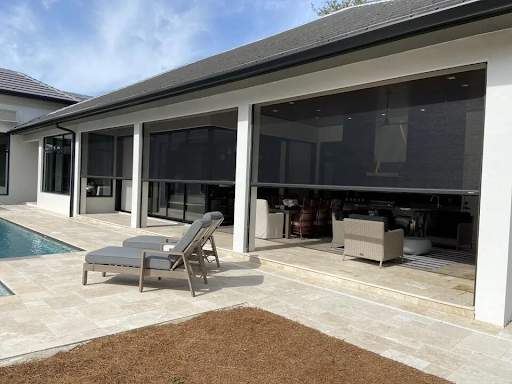
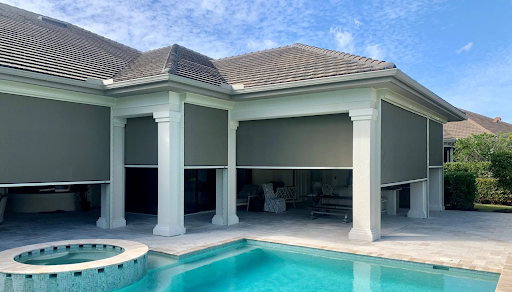
Unlike fixed, glass, or awning enclosures, retractable patio screens have the ability to be extended or hidden. This adaptability allows homeowners to enjoy open air views on pleasant days while quickly adding protection from sun, insects, wind, or light rain when conditions change. With many styles, operating systems, and materials to choose from, retractable screens can be designed to fit the patio layout and lifestyle needs.
That said, not all retractable patio screens are created equal. Therefore, it’s important to take time to understand all these details before buying helps ensure your investment delivers real value for your outdoor living space. So, without further delay, let’s get straight into everything you need to know before making a decision.
| Overview of Choosing an Ideal Retractable Patio Screen Retractable patio screens are perfect for homeowners seeking to maximize their outdoor living space without the permanence of fixed enclosures. Unlike static options, these screens provide protection from insects, UV rays, and wind when needed, but vanish completely to preserve open-air views. When purchasing, buyers must choose between manual systems for standard doors or motorized options for larger openings. Key factors include selecting the right mesh density for solar protection or airflow and ensuring professional installation. |
Why Homeowners Prefer Retractable Patio Screens
Temperature Control and Energy Efficiency
High-quality retractable patio screens act as a thermal barrier. By filtering out harsh UV rays before they hit your patio windows or sliding doors, you reduce the heat transfer into your home. This “passive cooling” effect can lower the ambient temperature on your patio by several degrees and reduce the load on your indoor HVAC system.
Preservation of Views
Fixed screens or traditional enclosures often come with thick frames and permanent mesh that can dull your view of the garden or pool. Retractable screens are designed with low-profile housing. When retracted, they vanish into a cassette or housing unit, leaving your sightlines completely unobstructed. When lowered, modern mesh technology offers excellent outward visibility while maintaining privacy from the outside looking in.
Protection from the Elements
Beyond pests, these screens serve as a shield against wind and debris. Whether it’s keeping autumn leaves off your patio furniture or reducing wind gusts during a dinner party, the screen acts as a semi-permeable wall that maintains airflow without the turbulence.
Types Of Retractable Screens
When shopping for screens, you will generally encounter two main categories: manual and motorized. Your choice depends on your budget, the size of the opening, and your desired level of convenience.
Manual Retractable Screens
Manual screens are the traditional, cost-effective solution for standard-sized door openings (like French doors or single entryways). They typically operate on a spring-loaded roller system housed in a vertical cassette.
Key Specifications:
- Operation: Pull-bar system with magnetic or mechanical latches.
- Housing: Usually aluminum cassettes that protect the mesh when not in use.
- Mesh Options: Standard insect mesh is most common, though some solar options exist.
- Limitation: Manual screens have size limitations. They can become difficult to operate smoothly on very wide openings (over 8 feet) due to the tension required to keep the screen taut.
Motorized Retractable Screens
Motorized screens are the gold standard for large patio openings, lanais, and garage doors. They utilize a tubular motor inside the housing roller to raise and lower the screen at the touch of a button.
Key Specifications:
- Operation: Remote control, wall switch, or smartphone app integration.
- Track System: This is the most critical technical component. High-end systems use a “captured edge” or zipper track system where the mesh is locked into the side rails. This prevents the screen from blowing out during high winds.
- Obstacle Detection: Premium motors include sensors that stop the screen if it hits an object (like a patio chair left in the way), preventing damage to the mesh and motor.
- Wind Resistance: Capable of withstanding significantly higher wind loads than manual versions.
Most motorized screens rely on a zipper system that can get stuck if the track isn’t perfectly clean or aligned. At Bluebonnet Patio Covers, we use MagnaTrack ‘s patented magnetic system. Powerful neodymium magnets are integrated into the side tracks. These magnets allow the screen to “float” freely during operation but snap tight when tension is applied (like wind). If the screen is impacted, the magnets release to prevent tearing, and then crucially, they self-adjust and re-tension the screen the next time you cycle it. It is a self-correcting system designed to handle the elements without constant service calls.
How to Choose the Right Mesh
The “fabric” of your screen determines its function. Don’t just pick a color; pick a performance level.
- Insect Mesh: A tighter weave designed strictly to keep out mosquitoes, gnats, and flies. It offers the highest airflow and visibility but minimal sun protection.
- Solar Mesh (80%, 90%, 95%): These percentages refer to the amount of UV rays blocked. A 95% solar mesh is almost like a shade fabric, it drastically cuts heat and glare but will reduce airflow and visibility more than insect mesh.
- Privacy Mesh: These are denser weaves that make it difficult for neighbors to see in during the day, while still allowing you to see out.
Installation Considerations
Retractable patio screens are precision systems. Unlike hanging a curtain rod, the tolerance for error is less than an eighth of an inch.
- Recessed vs. Surface Mount: If you are building a new home or remodeling, you can have the housing “recessed” into the ceiling or columns so it is completely invisible when not in use. For existing patios, a “surface mount” is used, where the housing is attached to the exterior beam. Color-matching the housing to your home’s trim is essential for a seamless look.
- Power Source: Motorized screens need electricity. You will need a licensed electrician to run hardwired power to the housing location, or you must plan for an exterior outlet if using a plug-in model.
Conclusion
Retractable patio screens are an investment in your lifestyle, allowing you to enjoy the outdoors comfortably without constant exposure to sun, insects, or wind. With years of hands-on experience, the team at Bluebonnet Patio Covers team understands the technical details that matter, from proper track alignment to mesh selection and motorized integration. Ready for an upgrade? Contact us today and get a free estimate for your retractable patio screens.
Frequently Asked Questions (FAQ)
How much wind can a retractable screen withstand?
Standard zipper screens can usually handle winds up to 20-30 mph. However, the MagnaTrack system, is engineered to withstand much higher pressures and is less likely to jam or tear during wind events because of its magnetic release technology.
Can I use retractable screens in the winter?
Yes, especially if you choose a denser mesh or clear vinyl option. While standard mesh won’t hold in heat like a glass wall, it cuts down the wind chill significantly, allowing you to use your patio heaters more efficiently.
How do I clean my retractable screens?
Maintenance is simple. Once a season, deploy the screen fully and gently brush off loose debris. Wash the mesh with a mild soap and water solution using a soft cloth or sponge, then rinse with a garden hose (low pressure). Allow the screen to dry completely before retracting it to prevent mold growth.