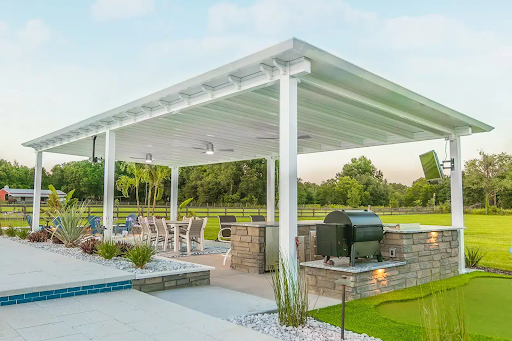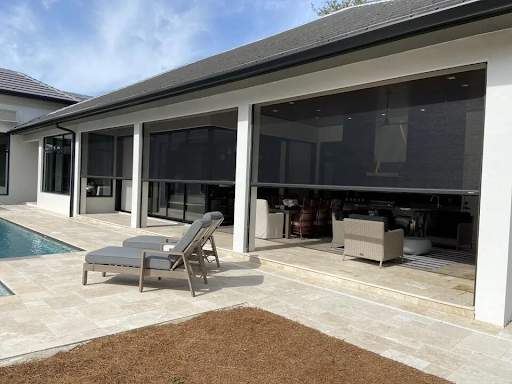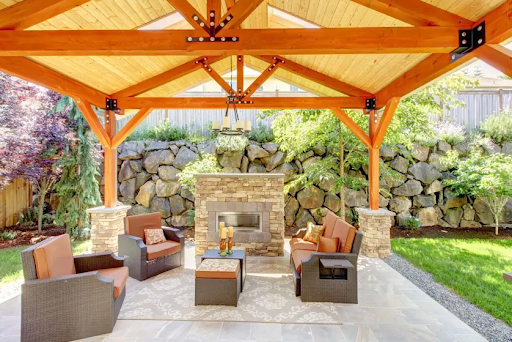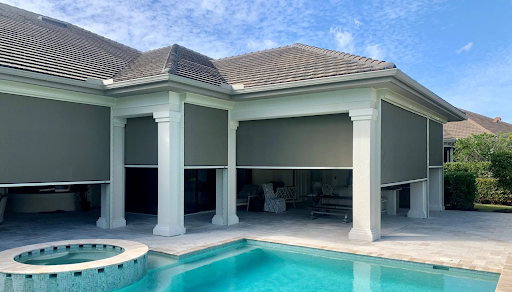
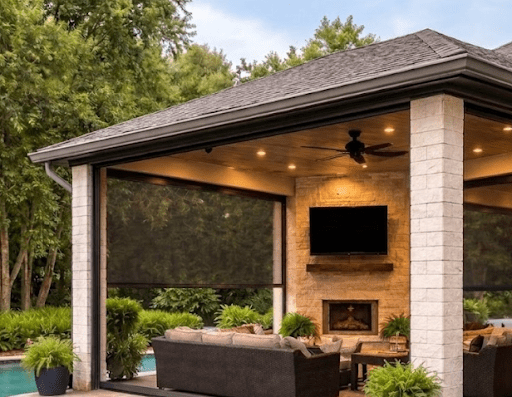
The Texas heat isn’t just a cliché; it’s a barrier to enjoying your outdoor living spaces. If there is no proper shade or screening, outdoor areas become heat traps that offer zero privacy, climate control, or pest protection. The best way to tackle this is by integrating versatile patio covers, screens, or enclosures, so that it can effectively “room-ify” your deck. This blog benefits you with specialized knowledge on comparing the latest structural materials and local building codes of Texas, which helps you transform a scorched patio into a year-round haven for entertaining and relaxation. Let’s look deeper!
| Key Takeaways What Is a Patio Cover and Why Texas Homes Need OneLouvered Roof Systems Solid and Insulated Patio Cover RoofsPatio Screens — Retractable and Screened EnclosuresPergolas and Freestanding Patio StructuresOutdoor Kitchens, Decks, and Complete Backyard LivingCommercial Patio Cover SolutionsPlanning, Permits, and HOA Compliance in TexasDesign, Materials, and CustomizationInstallation, Warranty, and What to Expect |
What Is a Patio Cover and Why Do Texas Homes Need One?
A patio cover is a custom-made overhead structure designed to shield outdoor spaces from harsh outdoor conditions. This enclosure also helps you transform your outdoor space into an extended part of your living space.
How South Texas Weather Makes Patio Covers a Year-Round Necessity?
Texas Weather & Year-Round Necessity
Uncovered patios reach unsafe temperatures, degrade furniture, and reduce outdoor usability due to intense solar radiation and heat buildup.
Usability Across Four Seasons
Custom covers mitigate summer heat, provide cooler environments, allowing you to dine, relax, and entertain during summer and rainy Texas conditions.
Resistance to Local Elements
The harsh climate causes rapid wear, water damage, and structural deterioration to outdoor spaces. Thus, adding a patio cover diminishes the impact of high-velocity winds and intense humidity, preventing the rot and warping common in Texas’s volatile coastal climates.
Climate Control Benefits
When you enhance outdoor living with patio covers, you achieve the following measurable benefits:
- Increases functional outdoor living space
- Reduces ambient and surface temperatures
- Improves thermal comfort and usability
- Reduces heat stress and health risks
How to Choose the Right Type of Patio Cover for Your Home?
Main Types
| Patio Covers | Key Features |
| Aluminum Covers | Light-weight, rust-resistant, low-maintenance |
| Wood Covers (Pergolas/Gazebos) | Natural look, customizable design |
| Vinyl Covers | Durable, weather-resistant, low upkeep |
| Insulated Covers | Built-in thermal insulation reduces heat transfer |
| Louvered Roof Systems | Adjustable slats for sun and airflow control |
Matching Home Architecture
Match your patio covers by aligning roofline geometry, material palette, and trim details. For Texas homes, aluminum or wood-grain finishes and a suitable color palette align with modern, farmhouse, or Mediterranean styles.
Key Pre-Decision Questions
Before deciding on a patio cover, inquire about wind-load ratings, HOA compliance, budget, structure drainage, and material durability to ensure long-term viability. Apart from this, it is essential to choose a trustworthy company for patio construction to get an efficient outdoor solution.
Custom vs. Off-the-Shelf
- Custom covers ensure precise fit, structural strength, and better wind resistance.
- Unlike prefab kits, custom-made ones offer a longer lifespan using durable materials suited for UV, heat, and humidity exposure.
- Engineering customization & professional installation allow for proper drainage, footing depth, and structural anchoring.
Louvered Roof Systems and What They Offer
Definition and Mechanism
- It is an advanced outdoor shading structure made of horizontal slats (louvers) that can be rotated between 120 and 180 degrees.
- A synchronized linkage system ensures all louvers move uniformly, whether adjusted by a simple manual crank or a motorized remote.
- Motorized louvers pivot for sun or shade; when closed, interlocking blades and integrated gutters create a watertight system that effectively channels rain away.
Smart Home and Remote Integration
Smart integration in louvered roof systems combines remote, app, voice, and automation, and weather sensor-based automation, giving homeowners full control of sun, shade, and rain protection with minimal manual effort, ideal for modern Texas outdoor living spaces.
Solar-Powered Louvered Roofs
Solar-powered louvers utilize Texas’s high solar irradiance to operate motors off-grid, offering an eco-friendly, energy-efficient solution that simplifies electrical installation.
Solid and Insulated Patio Cover Roofs
What Insulated Patio Covers Are and How They Look?
Insulated Covers: Aesthetics and Maintenance
An insulated cover is a structural roofing system that features foam-core aluminum panels, often with woodgrain finishes, providing high thermal resistance without the maintenance of staining, sealing, or repainting.
Insulated Roofs vs. Lattice and Pergola Styles
As open lattice pergolas have an open or semi-open framework, which gives partial shade, insulated roofs provide solid coverage, thermal insulation, and weather protection.
Optimal Color and Finish Options
The best finish depends on your priority:
- Light Reflective Colors: white, almond, and desert sand
- Earth-Tone Colors: tan, beige, bronze, and Spanish brown
- Darker Modern Finishes: graphite, charcoal, and black
- Wood appearance without upkeep: wood-grain powder coat
Gutter Guard Drainage Systems
Texas’s heavy rainfall can be efficiently tackled with the integrated gutter systems by channeling water through reinforced downspouts to prevent foundation erosion.
How Insulated Panels Reduce Heat and Noise
Insulated Panels vs. Standard Covers
- An insulated panel blocks heat transfer and absorbs sound, as it is composed of expanded polystyrene (EPS) foam-core aluminum panels. Whereas standard patio covers suffer from radiant heat transfer or structural decay due to their single-layer structure.
- The foam-core acts as a thermal break, slowing down the transfer of heat from the hot upper aluminum surface to the cooler underside. This keeps the patio surface significantly cooler during peak heat.
Supporting Fans, Lights, and Screens
Internal rigid panels support wiring of ceiling fans, lighting fixtures, and screened enclosures, creating a stable living ceiling system suitable for year-round use.
Patio Screens, Retractable and Screened Enclosures
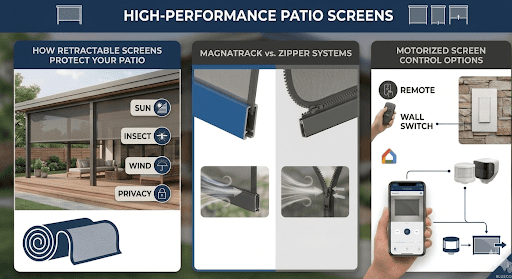
How Retractable Screens Protect Your Patio Without Blocking the View
To transform your outdoor space with retractable screens, the following are essential to understand:
Retractable Screens Functionality
The retractable screens are flexible mesh enclosure systems installed on outdoor openings, which can be lowered to control sun, insects, wind, and privacy without permanently blocking the view.
MagnaTrack vs. Zipper Systems
The patented self-tensioning design, superior wind performance, and reduced mechanical failure points help MagnaTrack retractable screens outperform zipper-track screens, which rely on interlocking teeth stitched to the fabric.
Motorized Screen Control Options
Motorized screen control options include remote control operation, wall-mounted switch controls, smart home integration, automated safety, and sensor-based controls.
When a Screened Enclosure Is the Right Choice for Your Patio
With the surge in outdoor living: the growing patio enclosure trend highlights a shift toward high-performance, permanent backyard solutions. These include:
Screened Rooms vs. Retractable Screens
A screened room is a fixed aluminum-framed enclosure with permanent mesh panels, whereas retractable patio screens use motorized rollers that provide the option of a closed or open air patio.
Permanent Outdoor Living Extension
These versatile home additions act as a permanent indoor/outdoor living space, creating a defined area for dining, lounging, and consistent protection from external elements.
Full Enclosures advantage
Full enclosures with tightly fitted mesh panels ensure keeping out mosquitoes, bugs, and wind-blown debris, helping provide year-round protection 24/7.
Deciding Between Retractable and Permanent Screen
Choose retractable screens for flexible, open-air views on demand; opt for permanent screened rooms for maximum, uninterrupted protection and a low maintenance enclosed space.
Pergolas and Freestanding Patio Structures
Lattice in a lattice pergola is a crisscross, grid-like framework of thin, overlapping strips of various materials that create a partially covered roof or side panel. Pergolas are lattice-style structures that can be free-standing or attached to another structure. Gazebos are always free-standing structures and are usually solid roof structures.
What Pergolas Are and How They Add Style and Shade to Outdoor Spaces
Pergola Versatility: Integrated Comfort and Style
Pergolas are open-lattice structures designed for filtered sunlight; when customized with load-bearing framing or structural-grade rafters, they seamlessly support ceiling fans. These sheltered pergolas bridge the gap between open-air freedom and climate-controlled comfort.
Why Aluminum Pergolas are Superior to Wood Pergolas
| Feature | Aluminum Pergolas | Wood Pergolas |
| Maintenance | Minimal upkeep; requires occasional rinsing. | Needs regular staining, sealing, and sanding to last. |
| Durability | Impervious to rot, rust, and termites; won’t warp in humidity. | Prone to moisture damage, wood rot, and destructive termite infestations. |
| Weather Resistance | Engineered for high wind loads; powder-coated finish resists UV fading. | Vulnerable to cracking and splintering under the relentless Texas sun. |
| Long-Term Value | Higher upfront cost, but saves thousands in lifetime maintenance expenses. | Cheaper initially, but carries a high maintenance tax over time. |
Lattice Styles for Central Texas
Custom lattice pergolas integrate seamlessly with Hill Country architecture, utilizing decorative end-caps and beam profiles to complement traditional or modern home designs. Lattice-style pergolas balance aesthetic charm with essential thermal relief.
Outdoor Kitchens, Decks, and Complete Backyard Living
How Outdoor Kitchens Turn a Backyard Into an Entertaining Destination
How Pairing an Outdoor Kitchen With a Patio Cover Creates a Complete Space
The latest trends in pairing your outdoor cooking with a reliable patio cover are at the forefront, and can be achieved with the help of a trusted patio contractor in Austin. Some essentials to know in this respect are:
Design and Layout Optimization
Custom kitchens feature weather-resistant cabinetry and stone finishes arranged in efficient work triangles to optimize airflow and social movement within the shaded zone. Thus
Essential Appliance Protection
Patio covers shield professional-grade built-in grills, stainless prep stations, and outdoor-rated refrigeration from direct UV exposure and rain, preventing rust and technical failure. Thus, by combining thermal-efficient patio covers with full cooking setups, homeowners create a weather-protected extension that ensures year-round usability.
What Deck Materials and Styles Work Best for Central Texas Homes
In Central Texas, the intense solar radiation and humidity levels require outdoor structures for expanding living areas, indoors to outside, that are as resilient as they are aesthetic.
Deck Types and Material Bluebonnet Builds
A deck is an elevated, open-air platform built at various heights to accommodate uneven terrain. The reliable patio contractor in Austin suggests pairing decks with patio covers. This helps to extend longevity by blocking UV rays, lowering surface temperatures, and providing year-round, rain-resistant outdoor utility.
Deck types include:
- Raised decks
- Ground-level decks
- Multi-level decks
Key deck materials Bluebonnet offers are:
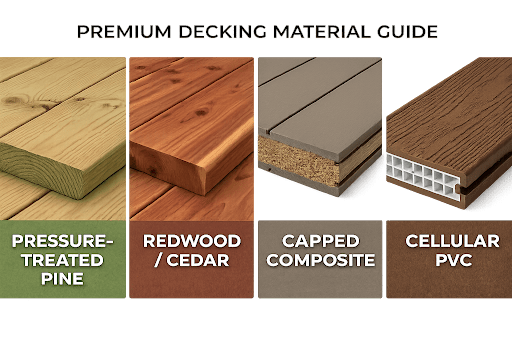
- Pressure-treated wood (pine)
- Cedar/redwood
- Composite decking
- PVC decking
Composite vs. Pressure-Treated Wood
| Feature | Pressure-Treated Wood | Composite/PVC Decking |
| Heat Retention | Remains relatively cool, better for bare feet. | Absorbs more heat; can become very hot in direct sun. |
| Durability | Must be sealed annually to prevent cracking and warping. | Highly stable; will not rot, peel, or warp. |
| Maintenance | Requires staining/sealing every 1–2 years. | Requires only occasional soap-and-water cleaning. |
| Lifespan | 10–15 years with proper care. | 25–50+ years; often carries extensive warranties. |
Multi-Level Designs for Sloped Properties
Multi-level decks transform steep Texas slopes into functional zones by creating usable flat areas, improving drainage, and maximizing Hill Country views without extensive land grading.
Commercial Patio Cover Solutions
How Commercial Patio Covers Work for Restaurants and Businesses
Your businesses mustn’t be affected by external factors; for this, a high-capacity commercial patio cover offers reliable outdoor solutions for restaurants, hotels, and diverse commercial venues.
Commercial vs. Residential Covers
- Commercial patio covers comply with strict IBC fire and wind codes and are engineered for load capacity and durability.
- These are built for larger spans, heavier usage, and public safety, while residential covers focus on comfort, aesthetics, and basic weather protection within a simpler regulatory framework.
- The Commercial Business, including hotels and clubhouses, prefers commercial-grade screens, which are typically motorized and track-based, allowing screens to retract based on weather and occupancy needs.
Expanding Capacity with Louvers
- Restaurants use motorized louvered roofs and screens to adjust shade and airflow. This system helps transform outdoor patios into flexible, weather-responsive dining spaces.
- Covered outdoor spaces increase restaurant “turn” rates and capacity by expanding seating, improving guest comfort, and enabling year-round service by preventing weather-related cancellations for Texas businesses.
How Bluebonnet Manages Large-Scale Commercial Patio Projects
Here’s a short overview about Bluebonnet Patio Covers’ project and compliance management.
Commercial Project Planning & Installation
Bluebonnet manages site assessments, permit coordination, engineering design, material selection, and phased installation to ensure heavy-duty structures meet strict commercial building codes and operational timelines.
Insurance and Liability Protection
Comprehensive commercial insurance, including general liability and workers’ compensation coverage, shields business owners from financial risks, ensuring coverage for accidents, damages, and on-site incidents.
Custom Commercial Design Options
For commercial business, Bluebonnet Patio offers commercial design options like covered patios, screens, outdoor kitchens, and accessories using durable materials.
The Local Texas Hill Country Advantage
Our South Texas based expertise ensures regional code compliance, building codes, and climate-resilient engineering, facilitating rapid permitting and accessible, long-term technical support.
Planning, Permits, and HOA Compliance in Texas
When You Need a Building Permit for a Patio Cover in Texas
Texas Code & No-Permit Risks
Texas building code enforcement ensures patio covers are:
- Structurally stable.
- Weather-resistant.
- Compliant with zoning rules(IRC standards + local amendments).
- Building without one risks heavy fines, mandatory removal, and future property sale complications.
Regional Permitting Variations
As per regional rules, Austin places emphasis on drainage review, whereas San Antonio and New Braunfels focus on setbacks, wind-load compliance, and structural integrity under IRC-based building codes.
Attached vs Freestanding Rules
Attached covers are considered home additions requiring structural ties and permits, whereas small freestanding gazebos may be exempt but still meet zoning, setback, and safety requirements.
Design, Materials, and Customization
Why Aluminum Is the Best Material for Texas Patio Covers
The guide to aluminum patio covers begins with understanding how premium materials withstand the harsh southern climate, which includes:
Durability and Thermal Resistance
To effectively withstand Texas’s intense temperature fluctuations, extruded aluminum is the material of choice for patio covers. It outperforms wood and vinyl by resisting rot, pests, and warping while maintaining structural integrity.
Advanced Finishes and Aesthetics
Modern patio covers offer baked enamel colors and wood-grain embossing, protecting against fading and rust. These covers combine aesthetic versatility, low-maintenance durability, and zero maintenance.
Wind Load Engineering
Per ASCE 7 standards, the aluminum covers are engineered with reinforced internal beams that create a rigid load path, transferring wind forces safely into anchored footings. This helps withstand high-velocity winds and hurricane-force gusts common across Texas.
How to Design a Patio Space That Fits Your Home and Lifestyle
The Outdoor Living Inspiration Guide provides the creative foundation needed for the functional extension of your space. It enables:
Custom Design and Integrated Amenities
Patio design must consider home architecture, drainage, and structural integration. It must evaluate rooflines and sun angles to integrate fans, LED lighting, and outdoor speakers to add comfort and functionality to your architecture.
Texas Outdoor Design Trends 2026
Current shifts favor seamless indoor-outdoor transitions using dark colored frames, smart-motorized louvers, and sustainable materials that mirror modern Texas residential aesthetics and high-tech utility.
Consultation and Professional Planning
Our process begins with a comprehensive on-site assessment to measure dimensions, discuss material specifications, and provide precision 3D renderings for your custom outdoor project. To start this journey, you can access our schedule design form and customize your outdoor project.
Installation, Warranty, and What to Expect
What the Bluebonnet Patio Cover Installation Process Looks Like
Consultation to Installation Timeline
The process begins witha free on-site design consultation and concludes with installation of a high-quality patio cover or screened product, with most projects completed in about 3–7 weeks.
In-House Expertise and Crew Quality
A full dedicated in-house crew has been established by Bluebonnet, ensuring consistent craftsmanship, clear communication, code compliance, and controlled installation standards throughout the entire structural installation phase.
Warranty and Final Quality Assurance
After installation, a final walkthrough is conducted to ensure total satisfaction, finish quality, and client satisfaction backed by a 2-year workmanship warranty and manufacturer warranties, including 5-year motor coverage.
What Warranties, Financing, and Service After Installation Include
Financing and Consultations
The flexible financing options include 0% introductory plans, ensuring homeowners have manageable monthly payments. This makes custom patio covers more affordable for homeowners in Texas.
Post-Installation Service Policy
Post-installation, homeowners receive free adjustment services for 2 years, covering proper alignment, structural inspections, and ongoing support after project completion.
Conclusion
Think of a well-designed backyard as more than just a renovation, it’s a smart way to expand your home’s footprint and resale value. By choosing durable materials and the right shading, you’re creating a space that stays cool and comfortable all year long, even in the Texas heat. When you prioritize professional installation and quality design, you get a beautiful, low-maintenance outdoor area that’s built to last. We’re here to help you turn that vision into a reality. Reach out today to start planning your perfect patio.
FAQ’s
Does the patio cover increase home value?
As professionally installed patio covers enhance usable outdoor living space and increase the resale value, it directly increases your property value.
What is the best season to install a patio cover?
Spring and fall are the ideal seasons for patio cover installation, as moderate weather conditions favor faster construction.
Do patio covers help reduce indoor cooling costs?
They provide shade that can reduce heat transfer into living spaces, which ultimately reduces home cooling expenses.
Can patio covers be attached to any type of home?
Most patio coves are designed to align with different home structures, giving proper engineering support, so it’s easy to attach them to any home type.